
What Are the Benefits of Ceramic Coatings for Private Jets?

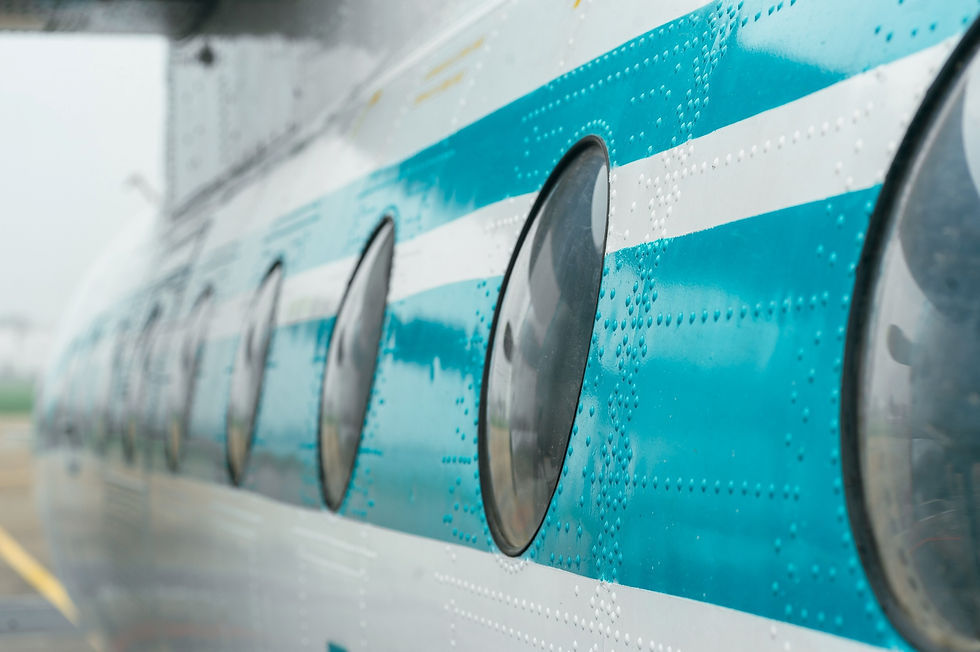
Private jet ownership is about more than transportation. It’s about performance, pride, presentation, and protecting a multi-million-dollar asset.
One of the most powerful ways to preserve that asset is with a professionally installed ceramic coating.
At JetGlow, we don’t treat ceramic as a “detail add-on.” We treat it as long-term surface protection science. Let’s break down what ceramic coatings actually do and why they matter for private jet owners and operators.
What Is a Ceramic Coating?
A ceramic coating is a liquid polymer applied to exterior painted and composite aircraft surfaces. Once cured, it chemically bonds to the surface and creates a hardened, hydrophobic protective layer.
This layer:
Repels water
Resists contamination
Reduces oxidation
Increases gloss
Makes ongoing cleaning dramatically easier
Unlike waxes or spray sealants that last weeks or months, a properly installed ceramic coating can last years when maintained correctly.

1. Protection Against Oxidation and UV Damage
Aircraft live in harsh environments. High altitude UV exposure. Ramp heat. Deicing chemicals. Acid rain. Exhaust residue. Bug impact on leading edges. Over time, this breaks down paint systems and clear coats — especially on white jets and darker accent stripes. A ceramic coating adds a sacrificial layer that absorbs environmental stress before it reaches your paint. That means:
Slower oxidation
Reduced fading
Longer paint life
Better long-term appearance
For owners planning resale in 3–7 years, that matters.
2. Extreme Hydrophobic Performance
Hydrophobic means water hates your airplane. Instead of water sheeting and sitting on the surface (which leads to spotting and mineral etching), ceramic causes tight, aggressive water beading.
Benefits include:
Reduced water spotting
Faster drying
Easier cleaning
Less chemical use during washes
For Part 135 operators or busy flight departments, this translates directly to lower maintenance time and cost.
3. Easier Cleaning = Lower Long-Term Detailing Costs
This is where most people misunderstand ceramic. Ceramic doesn’t eliminate cleaning. It makes cleaning efficient.
Contaminants like:
Exhaust soot
Hydraulic mist
Oil residue
Deice fluid
Ramp grime
… don’t bond as aggressively to coated surfaces.
That means:
Faster Quick Turns
Safer wash processes
Less aggressive compounding in the future
Reduced risk of paint thinning over time
When installed correctly and maintained with aircraft-safe chemicals, ceramic becomes part of your Exterior Condition Management plan not just a shine upgrade.

4. Enhanced Gloss and Depth
There’s no ignoring this one. A properly polished and coated jet simply looks different. Ceramic enhances clarity and reflectivity, especially after:
Two-step paint correction
Oxidation removal
Stripe refinement
The result? A deep, liquid gloss that makes the aircraft look newer, sharper, and more professionally maintained. For charter operators, appearance directly impacts brand perception.For private owners, it’s pride of ownership.
5. Surface Preservation = Asset Value Protection
Private jets are capital assets.
Whether you operate:
A Cessna Citation
A Gulfstream G650
A Bombardier Challenger 350
… paint condition plays a major role in resale value and buyer perception.
Ceramic coatings:
Reduce frequency of heavy correction work
Help maintain uniform gloss
Protect high-impact areas like leading edges
Support long-term appearance documentation
When paired with consistent maintenance records, coatings can support stronger resale positioning.
6. Long-Term Durability (When Installed Properly)
Here’s the honest truth:
Ceramic coatings only perform as well as the prep work underneath them.
Proper installation requires:
Full decontamination
Paint thickness awareness
Controlled polishing
Surface prep wash (IPA or manufacturer-recommended)
Correct cure time
Shortcuts ruin longevity. When installed professionally and maintained properly, high-grade aviation ceramic coatings can provide 2–5 years of meaningful protection.
Who Should Consider Ceramic Coating?
Ceramic is ideal for:
Private jet owners who want to preserve paint
Corporate flight departments managing appearance standards
Charter operators focused on brand presentation
Owners planning resale within 3–7 years
Aircraft based outdoors in high UV environments
If your aircraft sits outside regularly, ceramic isn’t a luxury, it’s smart preservation.
What Ceramic Coating Does NOT Do
Let’s keep this grounded.
Ceramic coating does NOT:
Replace proper washing
Fix chipped paint
Eliminate the need for detailing
Protect against physical impact damage
It’s protection, not armor plating.
The JetGlow Approach to Ceramic Coatings
At JetGlow, ceramic coatings are never applied over compromised paint.
Our process includes:
Surface inspection
Paint correction as needed
Controlled installation
Post-install inspection
Maintenance recommendations
We use aviation-safe processes and products designed specifically for aircraft environments, not automotive shortcuts. Because your jet deserves more than car-detail logic.
Final Thought: Is Ceramic Worth It?
If you care about:
Paint longevity
Ease of maintenance
Professional appearance
Protecting a multi-million-dollar asset
Yes. Ceramic coating is one of the smartest exterior preservation investments you can make.
And when it’s part of a structured Exterior Condition Management strategy, it pays for itself over time.
Ready to Protect Your Aircraft?
If you’re considering ceramic coating for your private jet and want a real inspection — not a generic quote JetGlow will walk the aircraft, evaluate the paint, and build a plan based on its actual condition.
Because real aircraft deserve real preservation and done at JetGlow.


Comments